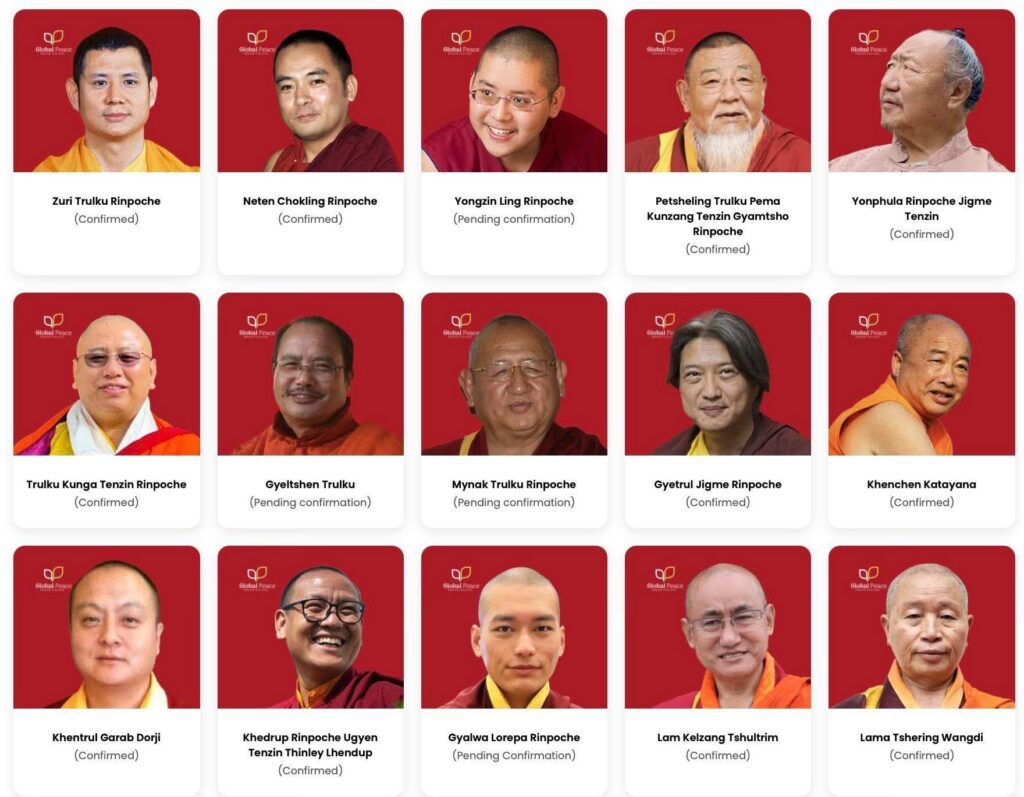
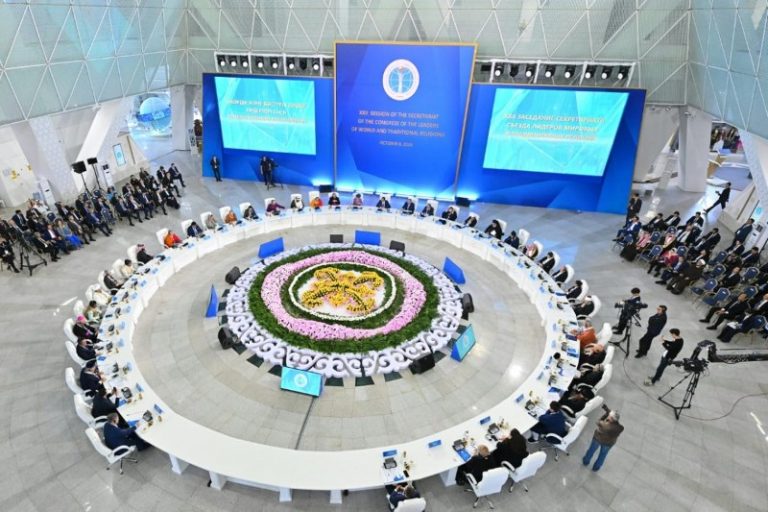
Buddhist leaders from Thailand and Japan will take part in the Eighth Congress of Leaders of World and Traditional Religions, scheduled for 17–18 September in Astana, the Kazakh capital. The gathering, chaired by President Kassym-Jomart Tokayev, will bring together more than 100 delegations from nearly 60 countries, highlighting Kazakhstan’s role in advancing interfaith dialogue and peacebuilding.
World Fellowship of Buddhists (WFB) president Phallop Thaiarry will represent Thailand at the congress, marking another chapter in the WFB’s longstanding support for the forum. Established in 1950 in Sri Lanka, the Bangkok-headquartered WFB has grown into one of the world’s largest Buddhist organizations, with affiliated centers in more than 40 countries.
Since its inception in 2003, the congress has evolved into a globally recognized platform where spiritual leaders, political figures, and international organizations meet to address urgent issues facing humanity. Participants will include leaders from Christianity, Buddhism, Hinduism, Islam, Judaism, Shinto, Taoism, and Zoroastrianism, as well as scholars and representatives from multilateral institutions. Key topics this year include religion’s role in uniting humanity, the significance of spiritual values in the digital era, and collaboration in combating extremism.
The forum has been praised as an example of “soft diplomacy.” In 2022, Pope Francis attended, and the congress’s final declaration was later presented to the UN General Assembly. Former UN High Representative for the Alliance of Civilizations Nassir Abdulaziz Al-Nasser described it as “a unique model of democratic soft power from which the world can learn.” (The Nation)
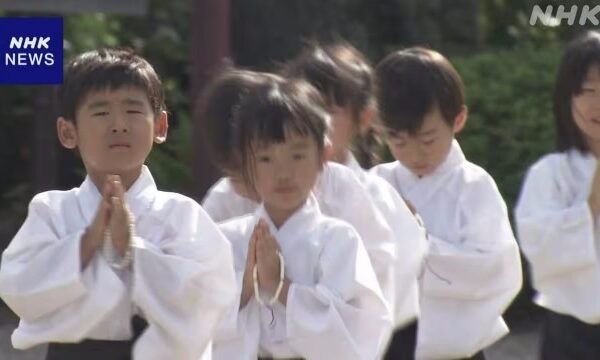
Joining the international gathering from Japan is the Soka Gakkai, one of the country’s largest Buddhist movements. Rooted in the teachings of the 13th-century monk Nichiren, Soka Gakkai emphasizes the dignity of life and individual empowerment. Its international network, the Soka Gakkai International (SGI), now spans more than 190 countries and territories, with a focus on peace-building, education, and human rights.
The executive director of the Soka Gakkai Office of International Affairs, Yoshiyuki Nagaoka, reflected on the significance of the congress, saying: “Our engagement with other religious leaders has opened new vistas in our shared pursuit of peace, making it possible to further expand solidarity in a very measurable and meaningful way.” (The Astana Times)